
I’m So Overwhelmed With My House - Where Do I Even Start?
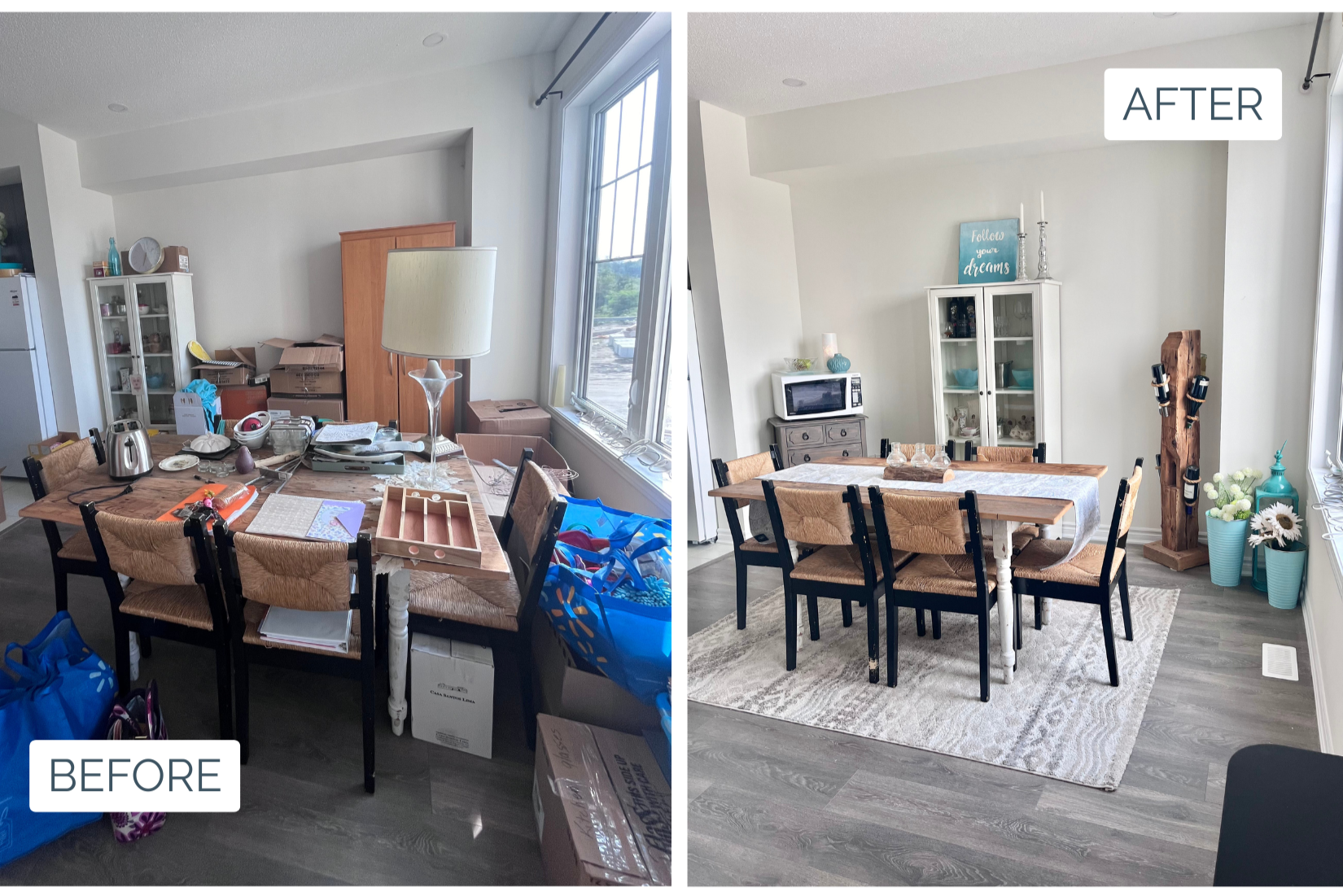
If you’ve ever stood in the middle of your home, looked around, and thought “I don’t even know where to begin,” you’re not alone.
For many busy families, clutter doesn’t build up overnight. It slowly accumulates through busy schedules, growing kids, changing routines, and the constant flow of items coming into the home.
Before long, what once felt manageable now feels overwhelming.
And the hardest part? Figuring out where to start.
Why It Feels So Overwhelming
When everything feels messy, our natural instinct is to start cleaning. We tidy surfaces. We move piles into D.O.O.M. piles (Didn’t Organize, Only Moved). We put things away wherever there’s space. But the problem is, tidying and organizing are two very different things. Tidying resets your space temporarily, whereas organizing creates systems that keep things manageable long-term.
Without systems, clutter tends to return quickly, which is why many people feel like they’re constantly tidying but never actually getting ahead.
The most common mistake people make when trying to organize their home is starting in the wrong place. They might tackle a random drawer, a closet, or a corner of the basement. But without a plan, those efforts rarely impact the bigger picture.
Organization works best when it’s approached strategically, with a clear understanding of how your household functions. Treating the entire house like a system.


Start With a High-Impact, Low-Emotion Space
A helpful place to begin is an area that affects your daily routine but doesn’t carry a lot of emotional weight. Good examples might include:
The kitchen
A pantry
A mudroom or entryway
A frequently used drawer or cabinet
These spaces are used every day and improvements can make a noticeable difference quickly.
Think About How You Want the Space to Function
Before organizing anything, pause and ask yourself an important question: How do I want this space to work for my family?
Once you know the goal, you can work backward to create a system that supports it. For example: If one of the biggest stress points in your home is how long it takes to pack the kids’ lunches in the morning, the goal might be making that process faster and easier.
To support that goal, you might create a system where:
Lunch containers live in one accessible drawer
Snacks are decanted and stored together in a dedicated bin or shelf
Grab-and-go items are easy for kids to reach
Now the system is shortening the path to the goal instead of working against it.
Small Systems Make a Big Difference
Many daily frustrations in the home come down to small missing systems. For example. if you’re constantly losing your keys, it may simply mean your home doesn’t have a dedicated place for them yet. A small bowl, hook, or tray near the entryway can instantly solve the problem - as long as it becomes the consistent landing spot.
We are creatures of habit, and when our homes support those habits, everyday routines begin to feel almost automatic.
The Power of Routine Systems
When thoughtful systems are in place, the way we move through our homes becomes easier and more efficient. You spend less time searching for things. Daily tasks become quicker. And the overall feeling in the home becomes calmer.
Organization isn’t about perfection - it’s about creating simple routines that make everyday life smoother.
The Good News?
Feeling overwhelmed doesn’t mean you’ve failed. It simply means your home may not yet have systems that support your current lifestyle - and the right approach can change everything.
If your home feels overwhelming and you’re not sure where to begin, send me an email. Helping families create simple, functional systems is exactly what I do. We work together to declutter, simplify, and design systems that truly support your daily routines.
If you’re ready for a home that feels calmer and easier to manage, I’d love to help.
Learn more about working together by clicking the buttons below.