The Cost of Procrastination

Most people assume procrastination is harmless.
Just a delay. Just a “future me problem.” Something they’ll get to when life slows down. (When exactly does that happen?).
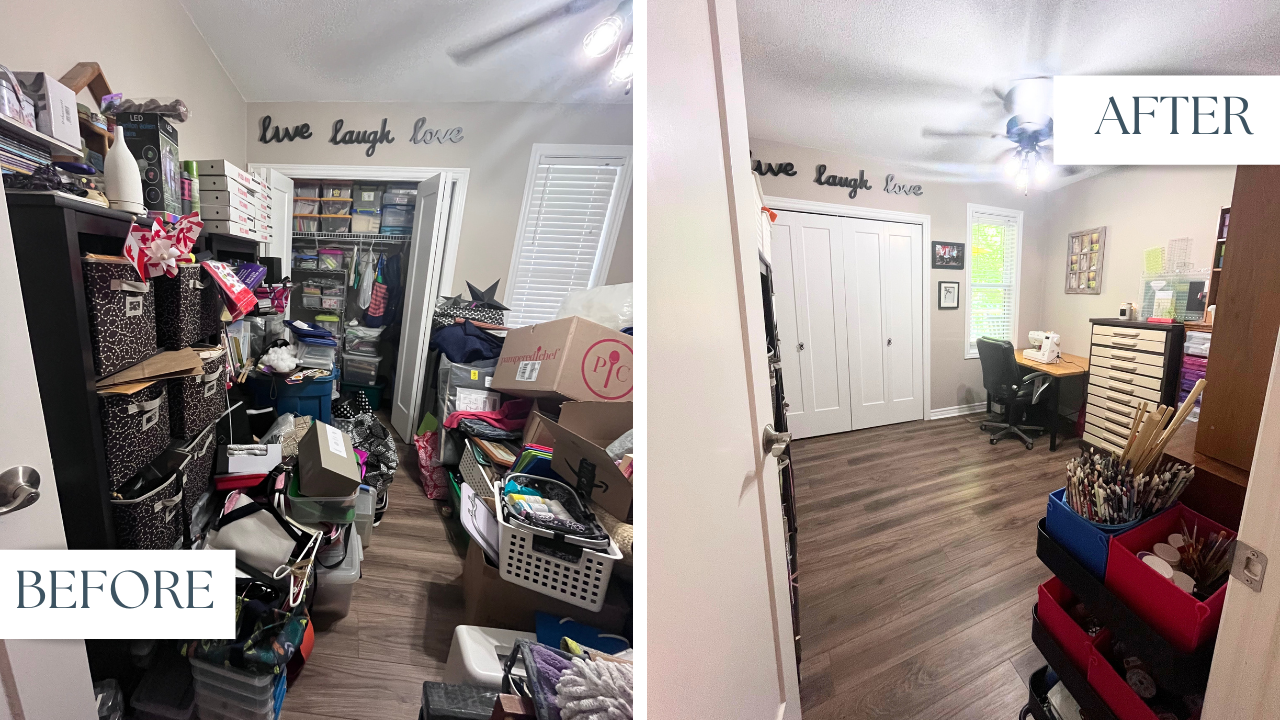
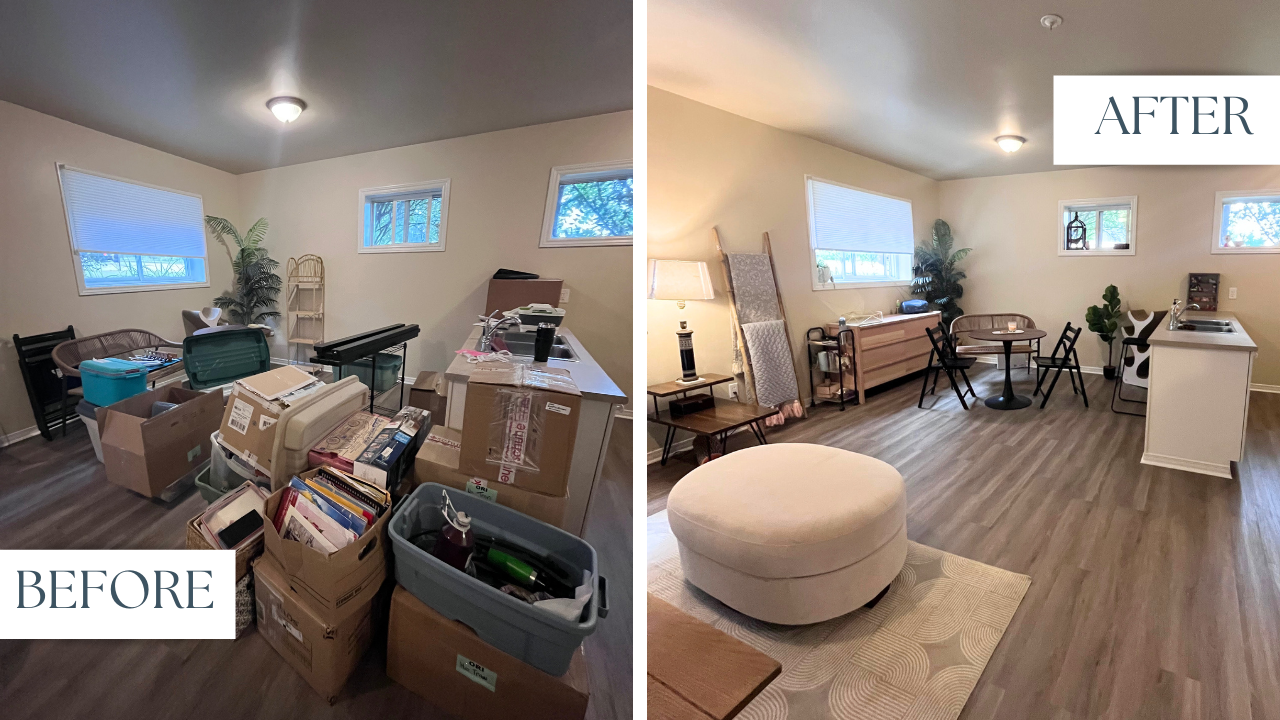
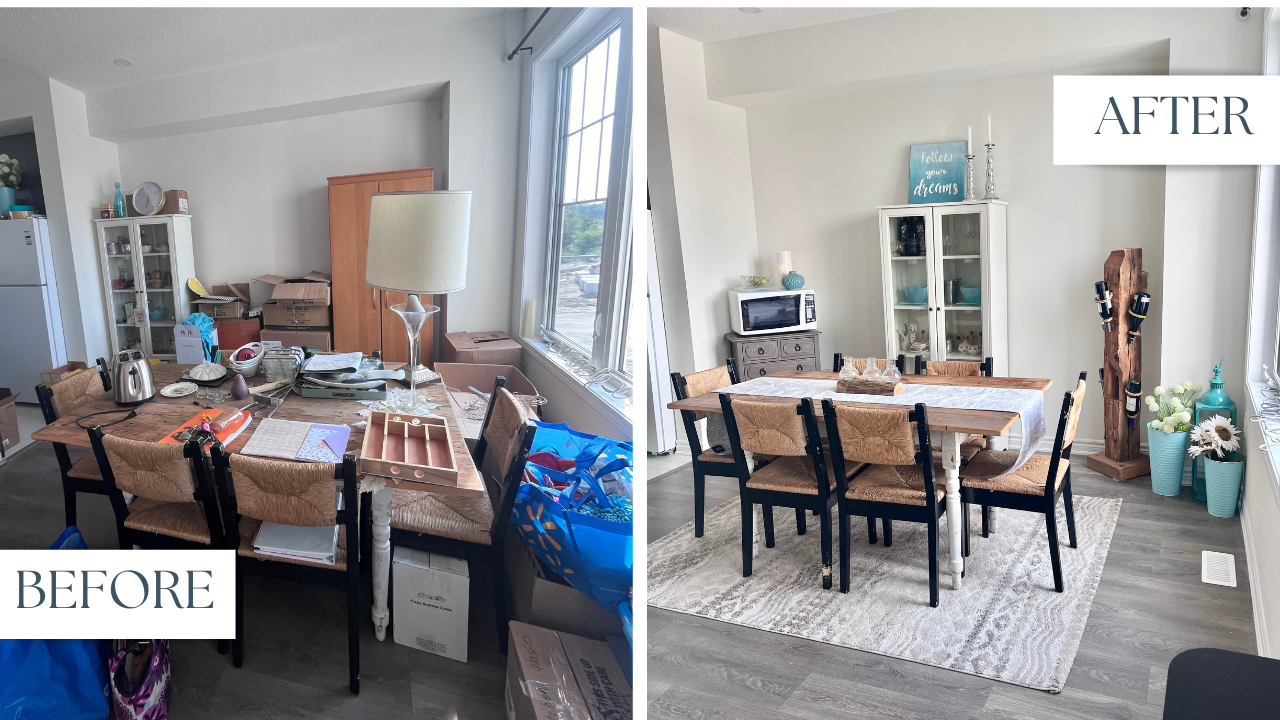
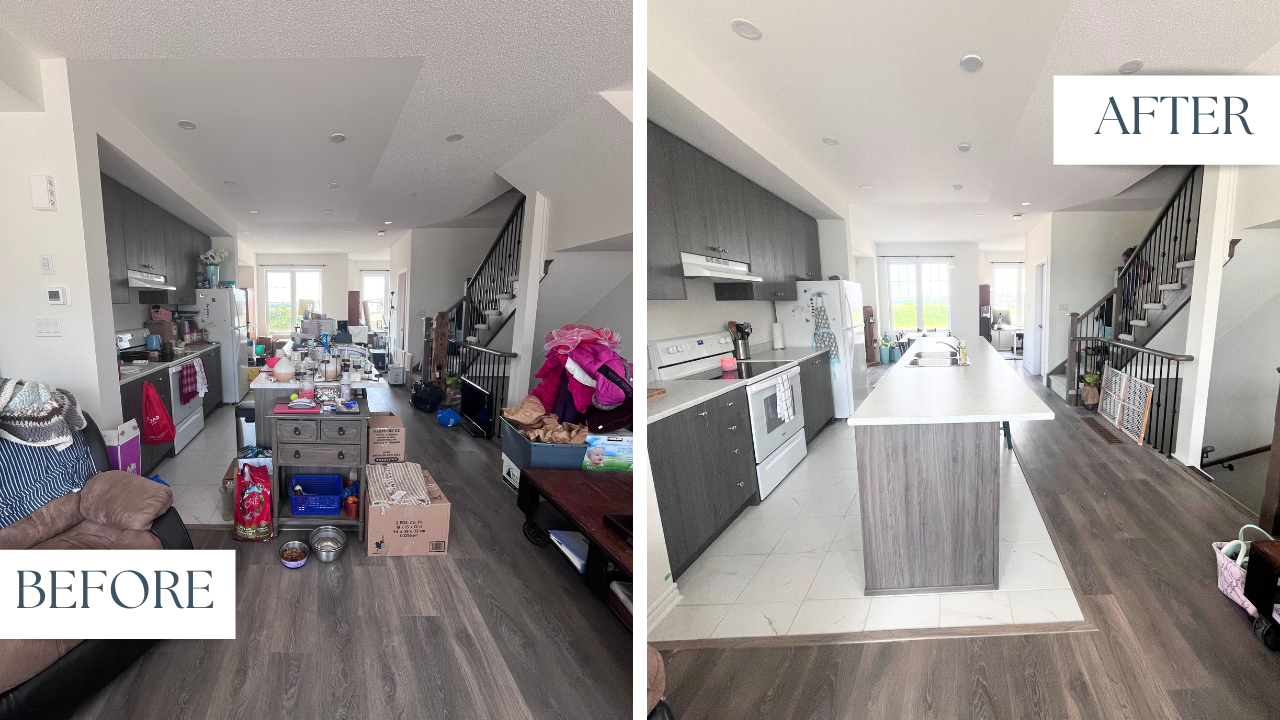
In real homes, procrastination doesn’t stay abstract for long - it turns into clutter (aka visible evidence of postponed decisions).
That pile on the counter? That overstuffed closet? That DOOM room you avoid opening the door to?
It didn’t happen all at once.
It happened one “I’ll deal with this later.” moment at a time.
Eventually, “later” becomes a lifestyle - and the house reflects it.
The obvious cost is clutter. But the real cost goes much deeper than that.
1. It costs you time - every single day
Procrastination doesn’t save time. It steals it in small, repeated ways:
Searching for things you know you own
Reorganizing the same spaces over and over
Getting stuck in decision loops every time you open a drawer or closet
Five minutes here. Ten minutes there. It adds up to hours every month.
2. It costs you money
Clutter creates financial leakage:
Rebuying items you already have but can’t find
Late fees, missed bills, or lost paperwork
Inefficient storage leading to wasted purchases
“Convenience spending” to compensate for disorganization
What looks like “stuff” is often duplicated spending caused by uncertainty.
3. It costs you mental energy
Every unfinished decision has a mental weight. Even when you’re not actively dealing with it, your brain is:
Tracking it
Remembering it
Subconsciously avoiding it
That background load creates fatigue that has nothing to do with how busy your day is. It’s decision fatigue - quiet, constant, and draining.
4. It costs you peace at home
When spaces feel unfinished or chaotic, the nervous system stays slightly on alert. That shows up as:
Irritability in small moments
Feeling “behind” even when nothing urgent is happening
Avoiding certain rooms or tasks altogether
Your home stops feeling like a place to rest - and starts feeling like something you need to manage.
The cost of not hiring a professional organizer
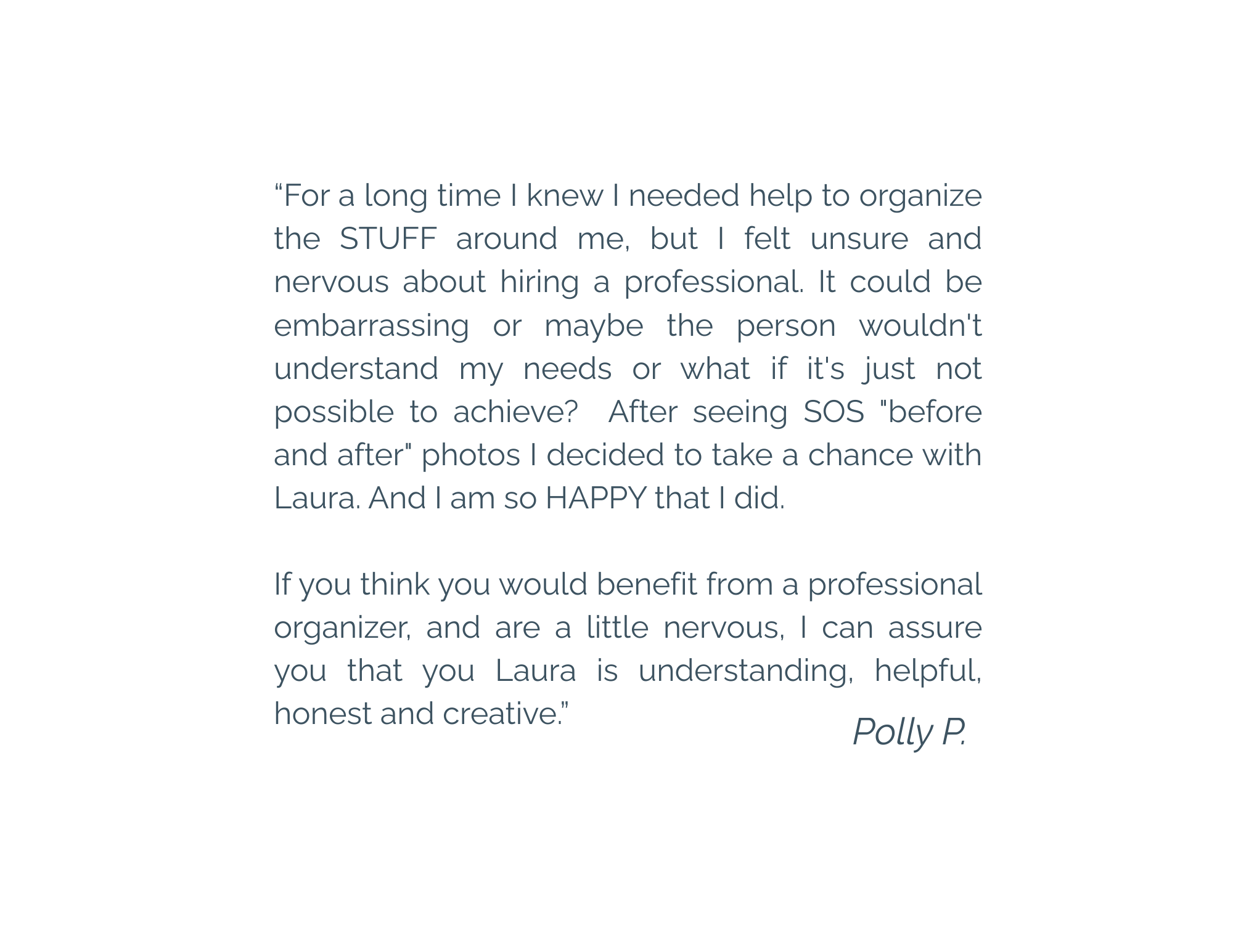
At a certain point, most people don’t need more time or more motivation - they need structure, decisions, and momentum from someone outside the system. But many wait far longer than they need to, and that delay has its own cost.
The longer organizing is postponed, the more emotionally charged it becomes:
More decisions feel overwhelming
More spaces feel “too far gone”
More guilt gets attached to the process
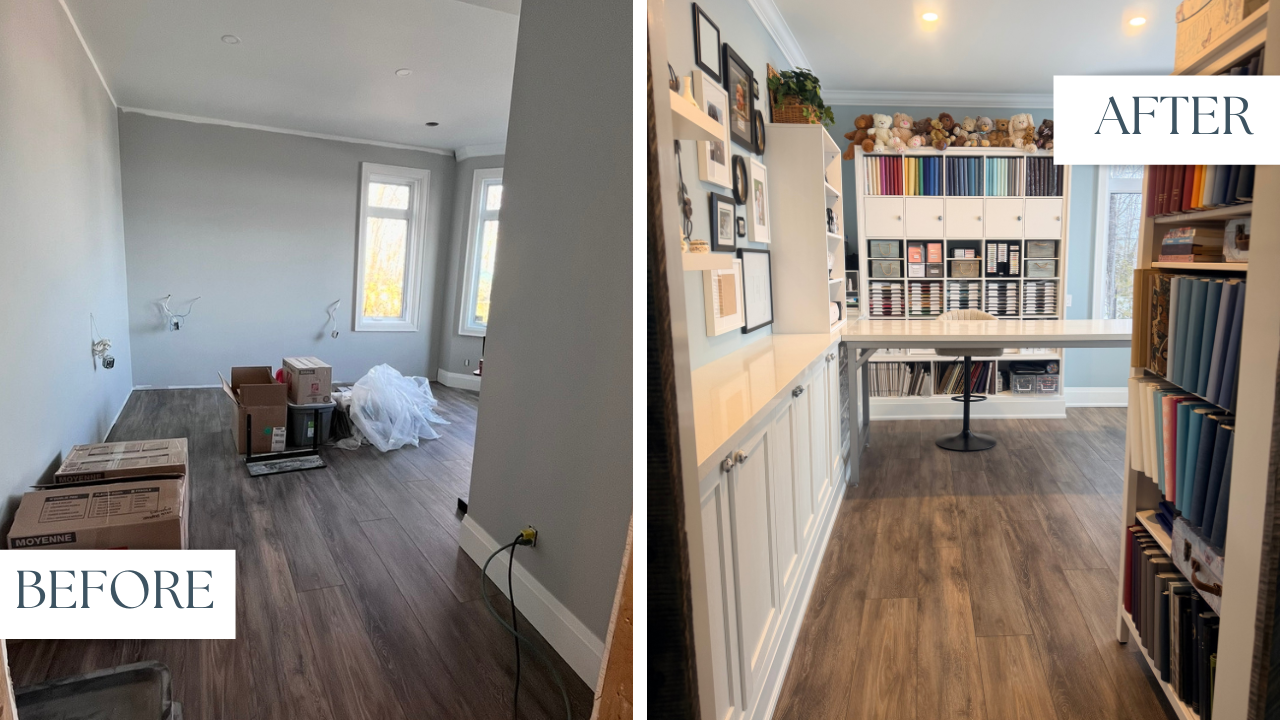
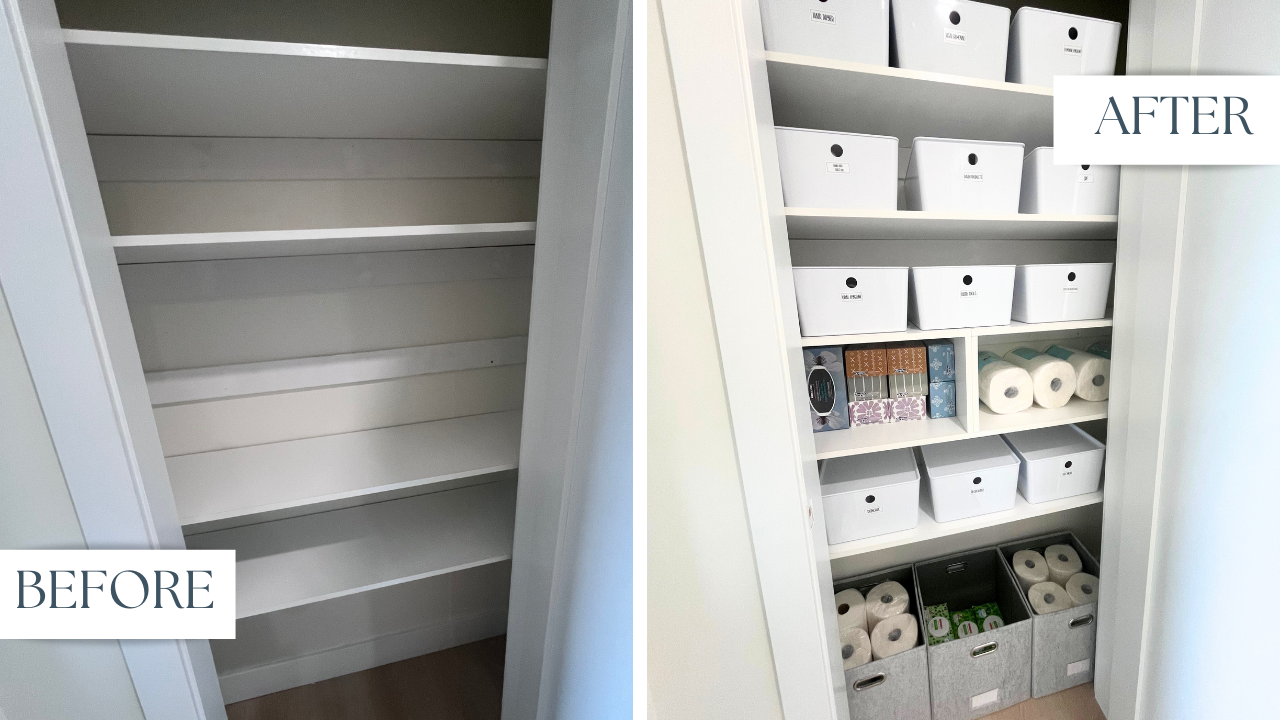
What could have been a simple reset becomes a heavy mental project.
What changes when you stop doing it alone
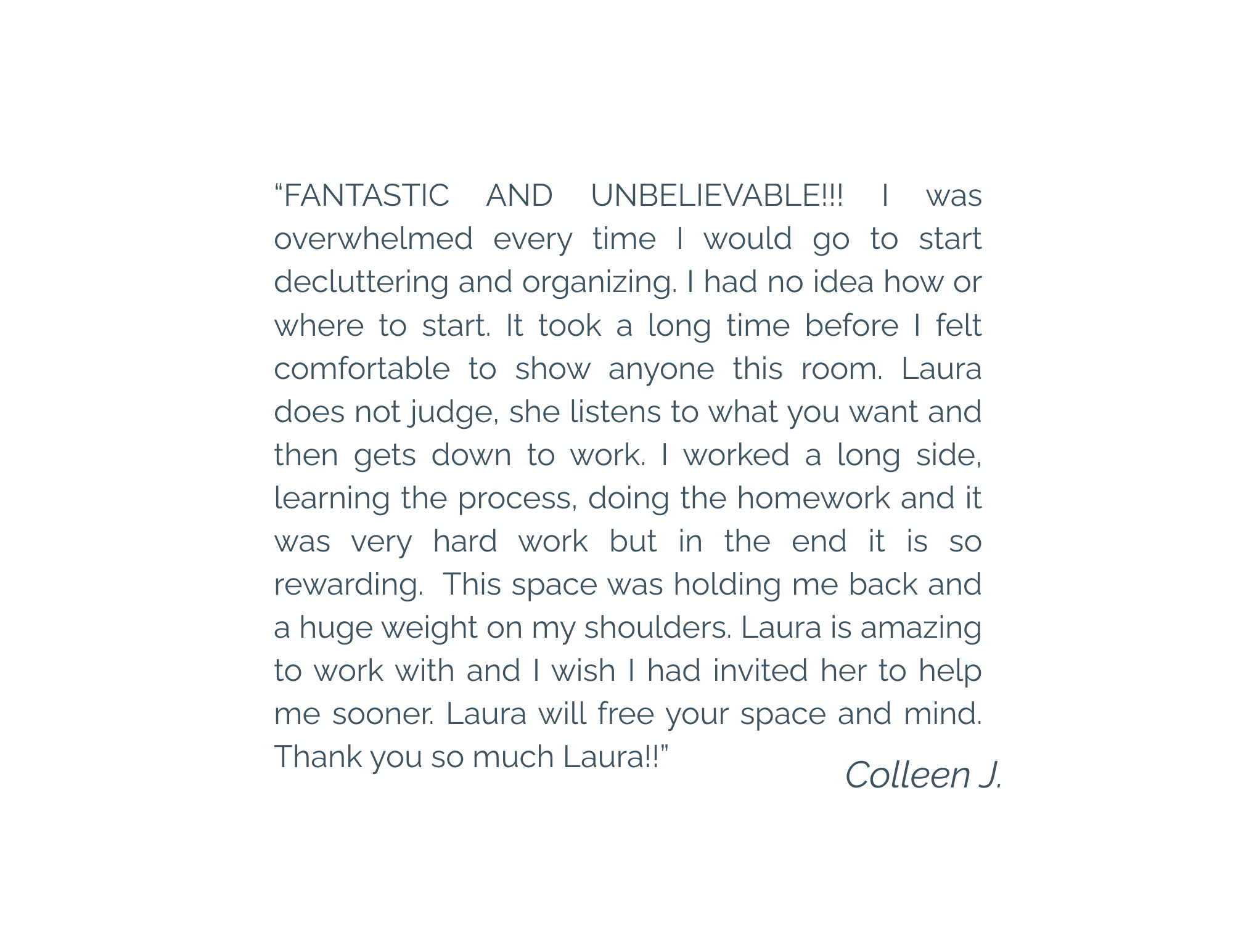
This is the part most clients don’t expect. Once support is in place, the shift is immediate - not gradual. Some client experiences sound like this:
“I didn’t realize how much this was affecting my stress level until it was gone.”
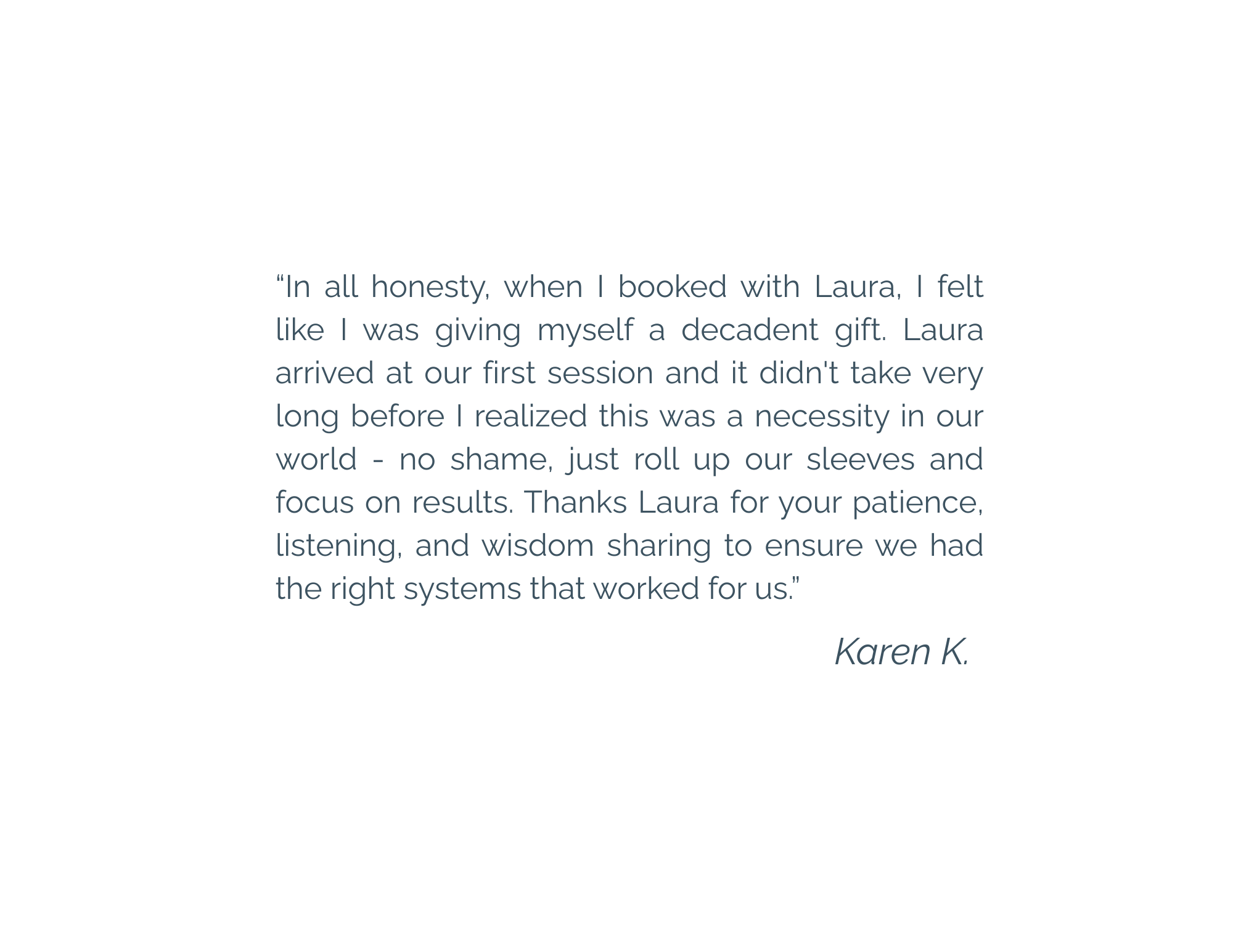
“I wish I had done this sooner - it feels lighter in my whole house.”
“I kept putting it off because I thought it would be overwhelming, but it actually felt manageable with help.”
“I can think again in my space.”
These aren’t about having a perfectly styled home. They’re about relief, removing friction from daily life, and finally making decisions that had been sitting unresolved for too long.
A direct note to you…
If you’re reading this and thinking “I’ll get to it eventually…”, that “eventually” is already costing you something. Maybe not in a dramatic way - but in a steady, everyday way that adds up quietly. The homes that feel calm, functional, and easy to live in didn’t get that way by accident. They got there through decisions and systems built with support instead of struggle.
You don’t need more time to start - you need the decision to stop postponing it.
If you’re craving a home that works with you, not against you, send me an Email, or book a discovery call right here, and let me help you shift from overwhelmed to organized.
You don’t need to be good at everything. You just need the right support.